


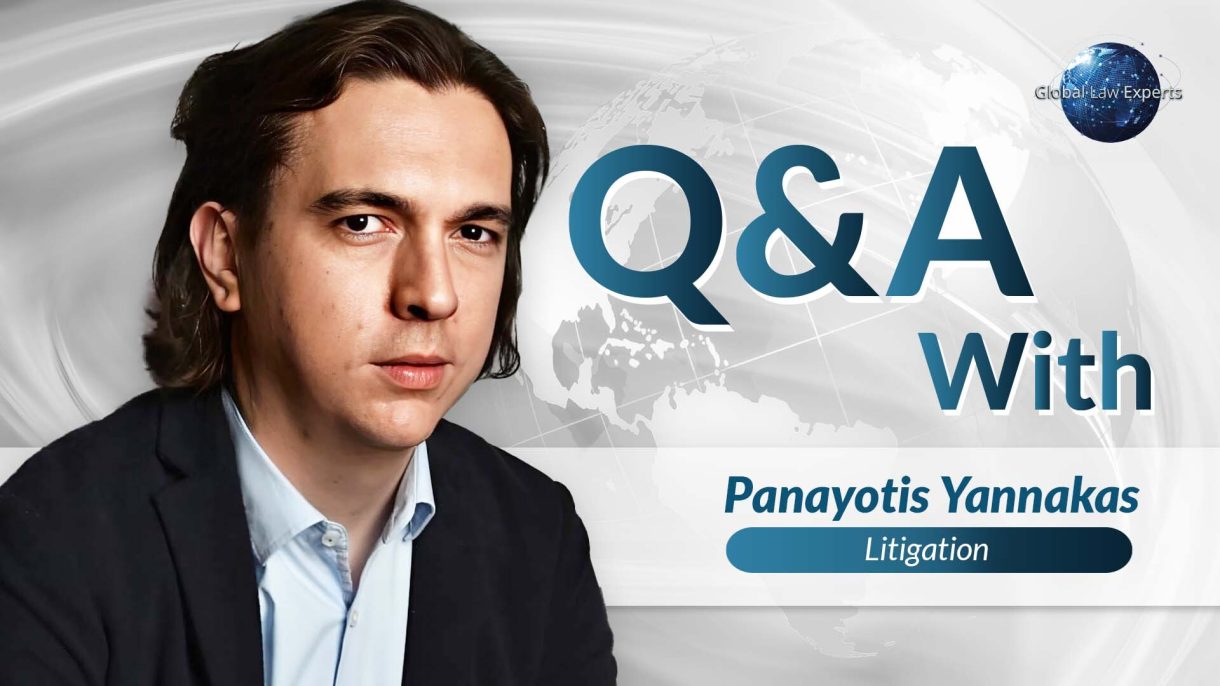
General Lawyer: Why I Practice Law without a Specialty Label
Clients ask it reflexively: “What do you specialise in?” The question sounds like due diligence, but it rests on a false premise. It assumes that legal problems arrive wearing the correct jurisdictional badge and stay within their lane. They do not. They never have. Yet the legal market has spent decades encouraging this belief, rewarding lawyers who carve themselves into ever-narrower slices and market depth at the expense of breadth.
I am a Litigation and General Practice Lawyer in Cyprus, and I introduce myself as such deliberately. In a profession where “specialist lawyer” is a title anyone can claim and no institution will verify, the generalist who sees a legal matter whole offers something the narrow practitioner structurally cannot: peripheral vision.
The Unverified Label
A specialist physician earns a credential the state validates and the profession enforces. The”specialist lawyer“, in most jurisdictions and certainly in Cyprus, has simply decided to describe himself that way. The Cyprus Bar Association recognises no formal specialisation system. The ABA’s own rules protect the word certified; the title specialist remains open to anyone willing to print it on a business card.
Legal services are what economists call credence goods: quality is opaque before, during, and after the engagement. When clients cannot verify expertise, an unverified specialty title acquires persuasive force far beyond its informational content. The generalist who is transparent about his breadth offers something more honest: a clear picture of how he practises, rather than a label no regulator has endorsed.
The Blind Spots of Narrow Practice
Professor Moorhead’s research on cognitive narrowness found that specialist lawyers referred out-of-specialty problems at roughly half the rate of generalists and were more likely to tell a client that no course of action existed, even where the true limitation was the lawyer’s own focus rather than the merits. The specialist, in other words, does not always know what he is missing.
Real legal situations arrive in clusters. A redundancy becomes an employment claim, a tortious dispute, and, where the employer enjoys diplomatic status, a question of sovereign immunity. A commercial contract can conceal a fraudulent misrepresentation, an insolvency risk, and a criminal exposure. The generalist treats the legal landscape as a terrain: uneven, interconnected, and requiring constant peripheral vision.
Why Breadth Wins
David Epstein’s distinction between “kind” and “wicked” learning environments applies directly to law. Chess rewards repetition; litigation does not. The facts never repeat themselves exactly, and the intersections between regulatory regimes, contractual obligations, and human behaviour are never quite the same twice. Breadth of experience is itself the primary mechanism by which sound judgement is formed.
A study in Nature Computational Science examined over sixty thousand federal civil proceedings and found near-zero correlation between prestige rankings and actual litigation outcomes. Courts are staffed by generalists, and lawyers who have spent a career in a single regulatory corridor can find, at the moment of argument, that they are speaking fluently in the wrong language. The generalist speaks the court’s own language; the specialist often has to translate.